Smart Home: How Technology Makes Daily Life Comfortable and Safe
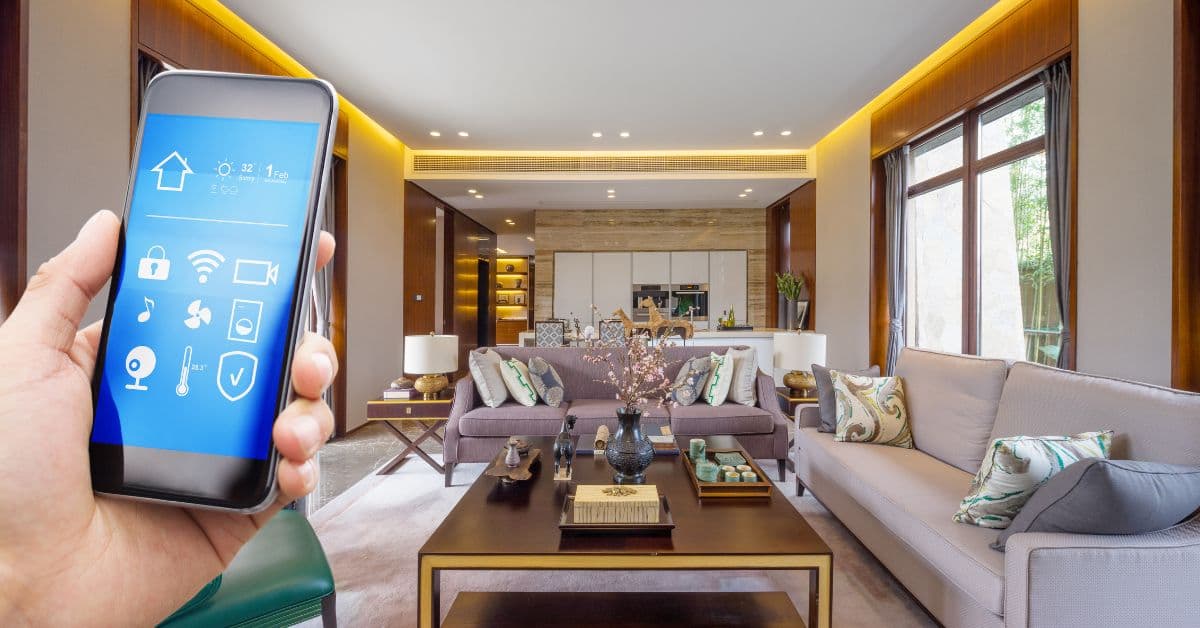
Modern technologies are increasingly integrating into our everyday lives, and one of the brightest examples of this is the concept of a smart home. In Portugal, where traditions harmoniously coexist with innovation, smart home systems are becoming increasingly popular. They not only automate household processes but also significantly enhance comfort, safety, and energy efficiency. In this article, we will explore how smart homes work, what technologies underpin them, and why more and more families are choosing this lifestyle.
What is a Smart Home and How Does It Work
A smart home system is a network of connected devices managed centrally—often via a mobile app, voice commands, or automated scenarios. The main goal is to simplify everyday tasks, improve security, and save resources.
The heart of a smart home is the hub (central controller), which connects to various modules such as lighting, heating, ventilation, security systems, cameras, household appliances, and even garden irrigation. Management can be manual or automatic—based on a schedule or external conditions. For example, the system can automatically turn on the heating if the room temperature drops below a set level or switch off lights when no one is present.
A New Level of Comfort: Home Automation
In Portugal’s warm climate, climate control is especially relevant. Smart thermostats and air conditioning systems help maintain the ideal temperature without constant manual adjustments. These systems learn the occupants’ preferences over time and adapt to their daily routines. Cool mornings and evenings and energy-saving modes when the home is empty become standard.
Lighting also reaches a new level: motion sensors, automatic on/off switching, and brightness and color temperature adjustments—all are available at the touch of a button or a voice command. In the evening, a soft, relaxing glow can fill the living room, while in the morning, brighter light energizes the space.
Intelligent appliances—like washing machines, dishwashers, refrigerators, and coffee makers—can operate on pre-set schedules, synchronizing with other devices. Some models even send notifications upon task completion or when maintenance is needed.
Security Under Control: Cameras, Sensors, and Alerts
For Portuguese homeowners, security has always been a priority, especially when it comes to vacation properties or countryside residences. Modern video surveillance systems connected to smartphones allow real-time monitoring of the home and surrounding area.
Door and window sensors, break-in alarms, gas or water leak detectors—all of these minimize the risk of domestic incidents. Some setups even offer automatic emergency service calls in critical situations. You can also remotely lock or unlock doors, for instance, to receive a delivery or let in a family friend.
It’s particularly convenient to know your home is secure while traveling: the presence simulation mode can automatically turn lights on and off, open and close curtains, or switch devices to create the illusion that someone is home.
Energy Efficiency and Environmental Care
A smart home is not just about comfort—it’s also about savings. By optimizing appliance usage and tracking resource consumption, you can significantly reduce electricity and water bills. In Portugal, where energy costs are gradually rising, this is especially important.
Smart energy tracking systems help identify which devices consume the most and can limit their usage. Solar panels, integrated into home systems, can automatically switch to alternative energy sources when conditions allow.
Even simple functions, like turning off lights in unoccupied rooms or activating night-time energy-saving modes, can cut annual utility expenses by 15–30%.
How Difficult is It to Set Up a Smart Home in Portugal?
At first glance, setting up a smart home may seem like a major renovation or large investment. But today, the market offers both full turnkey solutions and modular systems that can be implemented gradually. In Portugal, there are local automation specialists as well as international brands offering systems with Portuguese language support and compliance with EU safety standards.
Many modern devices use Wi-Fi or Zigbee communication protocols, eliminating the need for extra wiring. Most systems are also fully compatible with voice assistants like Google Assistant, Amazon Alexa, or Apple HomeKit, making them especially user-friendly.
The Future of Smart Homes: Toward Personalization and AI
Technology is becoming more intelligent every year. Smart home systems are already capable of learning user behavior, anticipating preferences, and offering optimal scenarios. In the near future, deeper integration with artificial intelligence will become common—when your home doesn’t just respond to your routine but actively proposes solutions based on weather, traffic, calendars, and even your mood.
New solutions are emerging to meet specific needs: for elderly residents, systems offer health monitoring and medication reminders; for families with children, there are parental controls and protection from potential hazards.
Conclusion
A smart home is not science fiction, nor is it a luxury reserved for a few. It’s a reality available to anyone who values convenience, security, and eco-conscious living. In Portugal, where comfort, quality, and innovation are prized, integrating smart systems is a natural step in modern home design. And the earlier you begin this journey, the sooner it pays off—in convenience, safety, and daily peace of mind.